historydecoded.in

FAMOUS INVESTIGATIONS

THE TITANIC

DISASTER

How the sinking of the “unsinkable” ship was investigated.

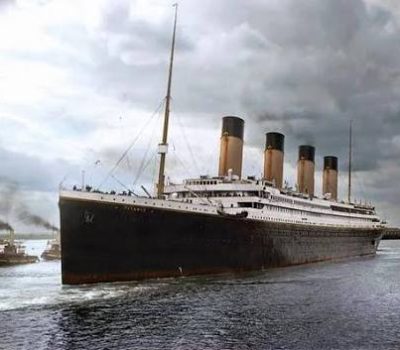
The sinking of RMS Titanic shocked the world and triggered major investigations on both 

sides of the Atlantic. Investigations examined the iceberg collision, speed, ice warnings, 

lifeboat capacity, radio communications and the response of nearby ships.

QUICK FACTS

15 APRIL 1912

Date of sinking

NORTH ATLANTIC

Location of disaster

RMS TITANIC

British passenger liner

ICEBERG COLLISION

Immediate cause of sinking

MORE THAN 1,500

lives lost (approx.)

BACKGROUND

Titanic disaster

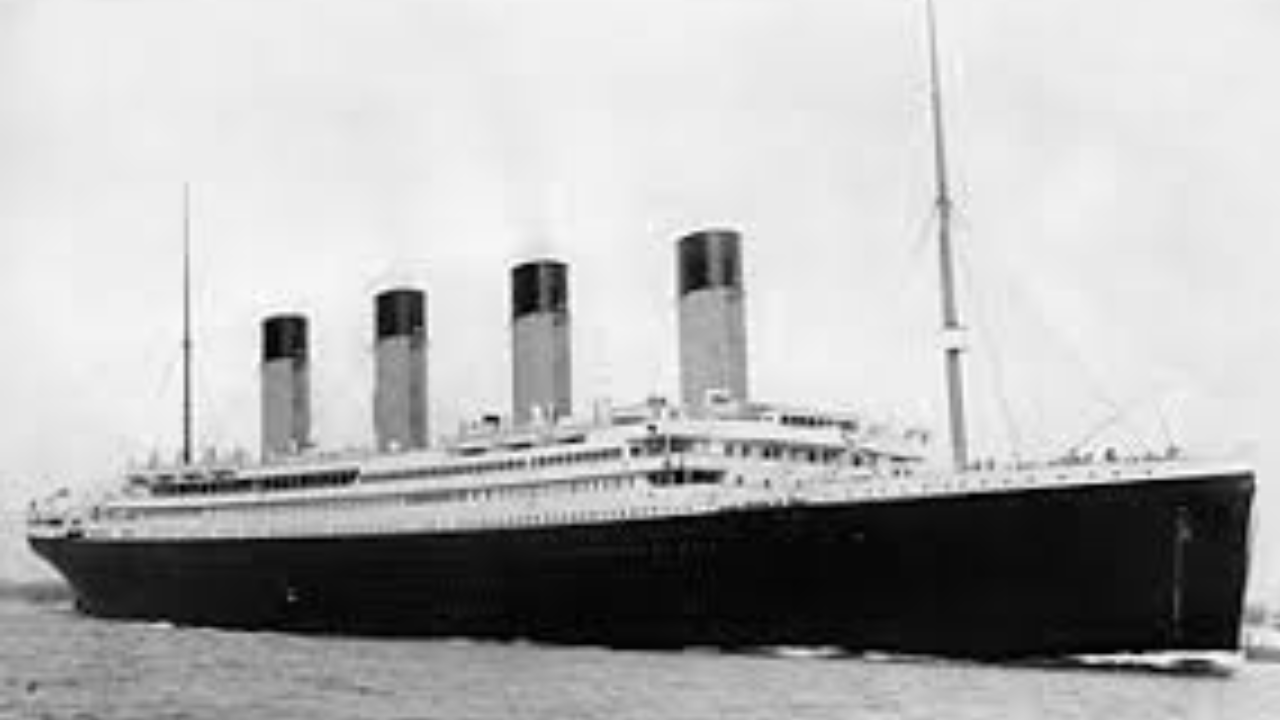
Titanic was built as a large luxury passenger liner.
She departed Southampton on 10 April 1912 on her maiden voyage to New York.
On the night of 14 April, the ship encountered an iceberg.
Titanic sank in the early hours of 15 April 1912.

QUICK FACTS

15 APRIL 1912

Date of sinking

NORTH ATLANTIC

Location of disaster

RMS TITANIC

British passenger liner

ICEBERG COLLISION

Immediate cause of sinking

MORE THAN 1,500

lives lost (approx.)

BACKGROUND

Titanic disaster

Titanic was built as a large luxury passenger liner. She departed Southampton on 10 April 1912 on her maiden voyage to New York. On the night of 14 April, the ship encountered an iceberg. Titanic sank in the early hours of 15 April 1912.

TIMELINE OF INVESTIGATION

15 APRIL 1912
Titanic sinks

The Titanic Disaster becomes
an international shock.

19 APRIL - 25 MAY 1912 U.S. Senate hearings

82 witnesses testifies
during the investigation.

28 MAY 1912
U.S. Senate report

Final report issued by
the U.S. Senate.

1912
British investigation

The British Government also conducted a formal inquiry.

1985
Wreck discovered

Joint American-French expedition locates the wreck.

INVESTIGATION AREAS

titanic disaster

ICE WARNINGS

What ice warnings were received
and how
they were handled ?

SHIP'S SPEED

Titanic's speed in the ice
region was
examined ?

LIFEBOATS

Was there sufficient lifeboat
capacity and
adequate preparation ?

RADIO COMMUNICATION

How distress messages were handled and why nearby ships did not respond effectively ?

KEY EVIDENCES

titanic disaster

SURVIVOR TESTIMONY

Witnesses gave firsthand accounts of the sinking and evacuation.
titanic disaster

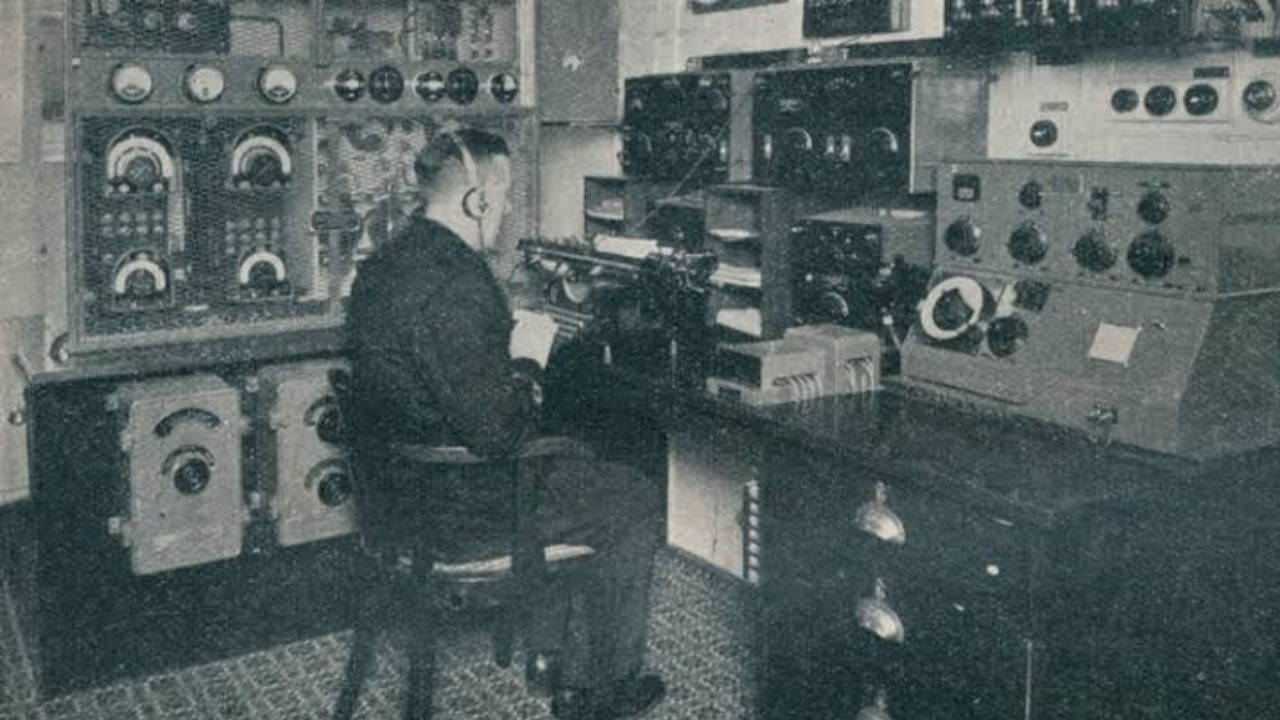
RADIO MESSAGES

Communication records helped investigators examine Titanic's distress calls and the response of other vessels.
titanic disaster

LIFEBOAT EVIDENCE

The investigation examined the number of lifeboats, their capacity and passenger/crew procedurs.
titanic disaster

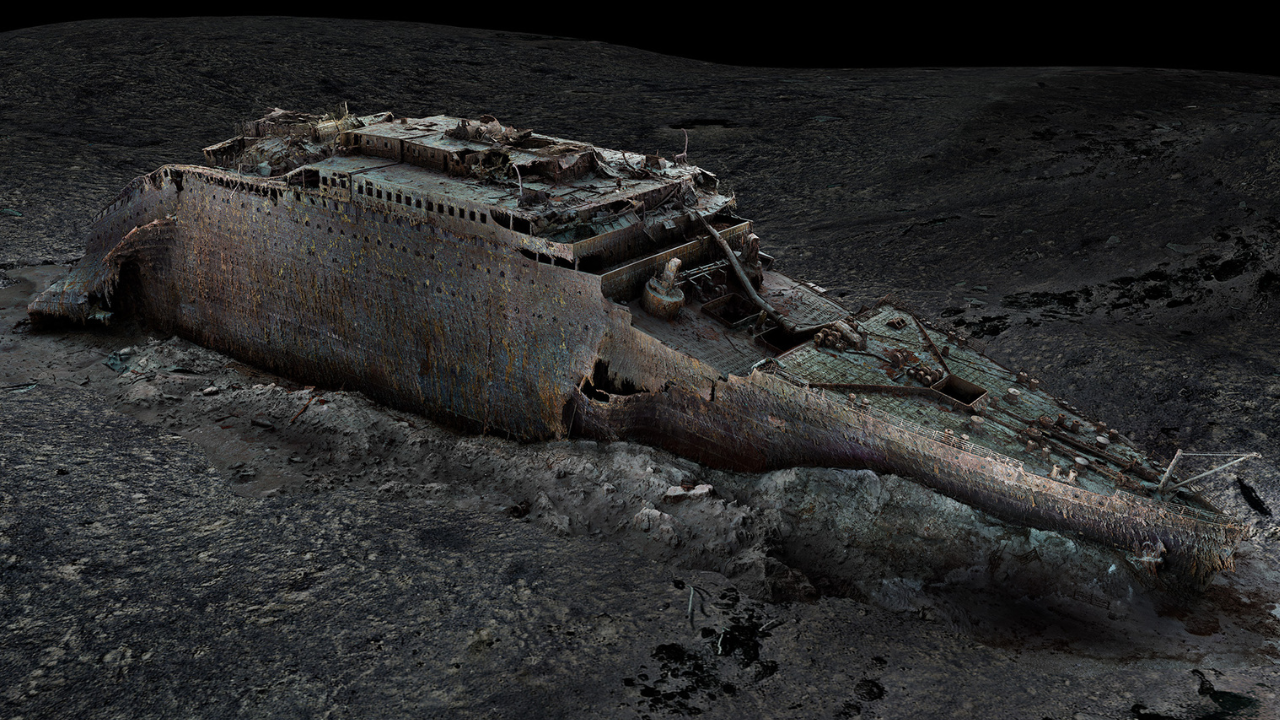
WRECK SITE

The discovery of the wreck in 1985 allowed researchers to study the physical remains of the ship.
INVESTIGATION FINDINGS

The investigation did not treat the disaster as simply an iceberg hit the ship. They examined a combination of factors, including ;

  • Inadequate lifeboat capacity 
  • Safety procedures 
  • Handling of ice warnings 
  • Ship speed 
  • Crew preparation 
  • Radio communication 
  • Response of nearby ships

IMPACT/ CHANGES

The titanic disaster led to major cahnges in maritime safety, including;

LIFEBOAT CAPACITY

Adequate capacity for everyone abroad become a central safety requirement.

CREW TRAINING & DRILLS

Better preparation and regular drills were recommended.

RADIO COMMUNICATION

Improved procedures for distress messages and greater reliability in maritime communication.

ICE PATROLS

Led to the creation for the International Ice Patrol and better monitoring of ice in the North Atlantic.

THE WRECK & SCIENTIFIC RESEARCH

titanic disaster

THE WRECK - A SECOND INVESTIGATION

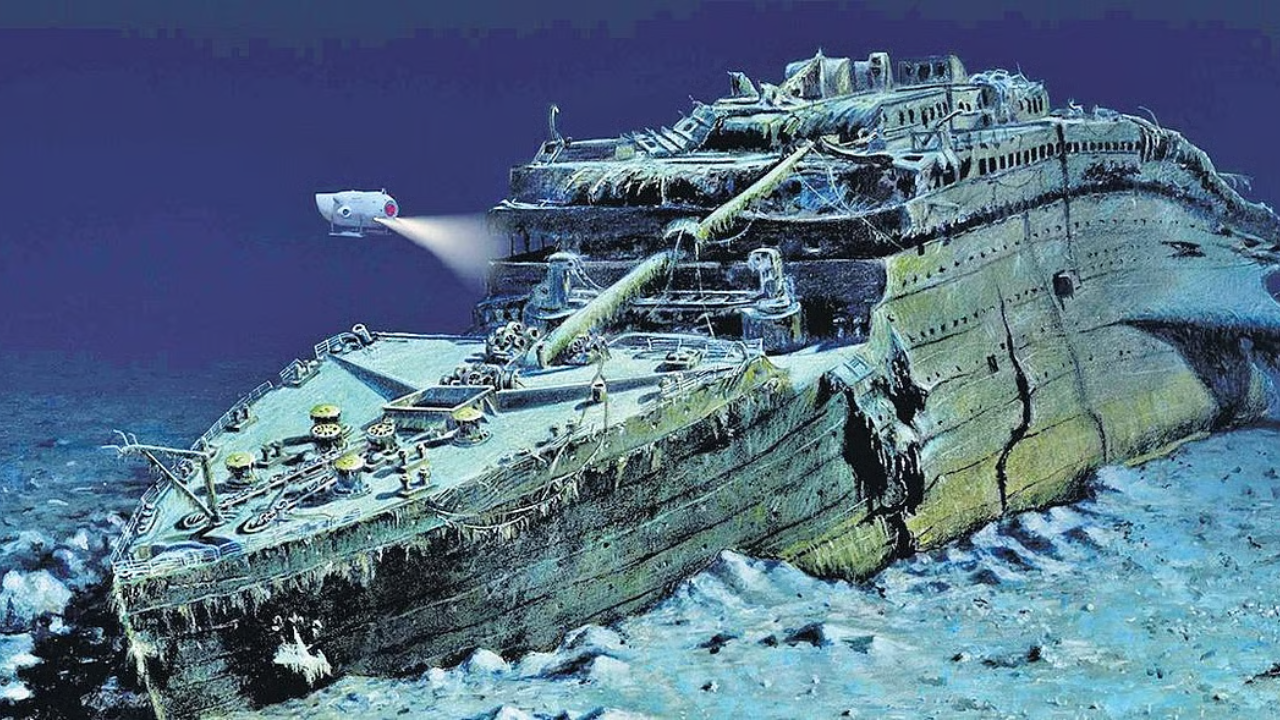
The physical wreck wasn't discovered until 1 September 1985, when the joint American-French expeditions located it.

The wreck lies about 3,800 meters (12,500 feet) underwater.

NOAA later conducted scientific expeditions using remotely operated technology to study the wreck and its deterioration.

Since its discovery, researchers have used sonar, remotely operated vehicles (ROVs), cameras, submersibles and detailed archaeological mapping to document the wreck and its surrounding debris field.

CURRENT STATUS

MAJOR INVESTIGATIONS COMPLETED - DISASTER WELL DOCUMENTED

The basic causes and circumstances of the Titanic sinking were investigated extensively in 1912 and wreck was subsequently located and scientifically studied. While they key facts are well-established, some individual details and interpretations  continue to be discussed by historians and researchers.

"The disaster was not only a tragedy; it became a turning point in
how passengers ships, crews, communications and emergency
procedures were regulated."

Scroll to Top