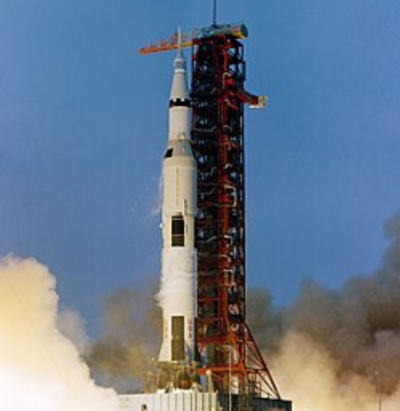
Apollo 13 was the third lunar landing mission in NASA's Apollo program. Launched on 11 April 1970 from Kennedy Space Center, Florida. The crew was headed for the moon to land and conduct scientific experiments as part of NASA's efforts to explore space. On 11 April, the spacecraft was in good health and on course for the moon.
Oxygen Tank Explosion
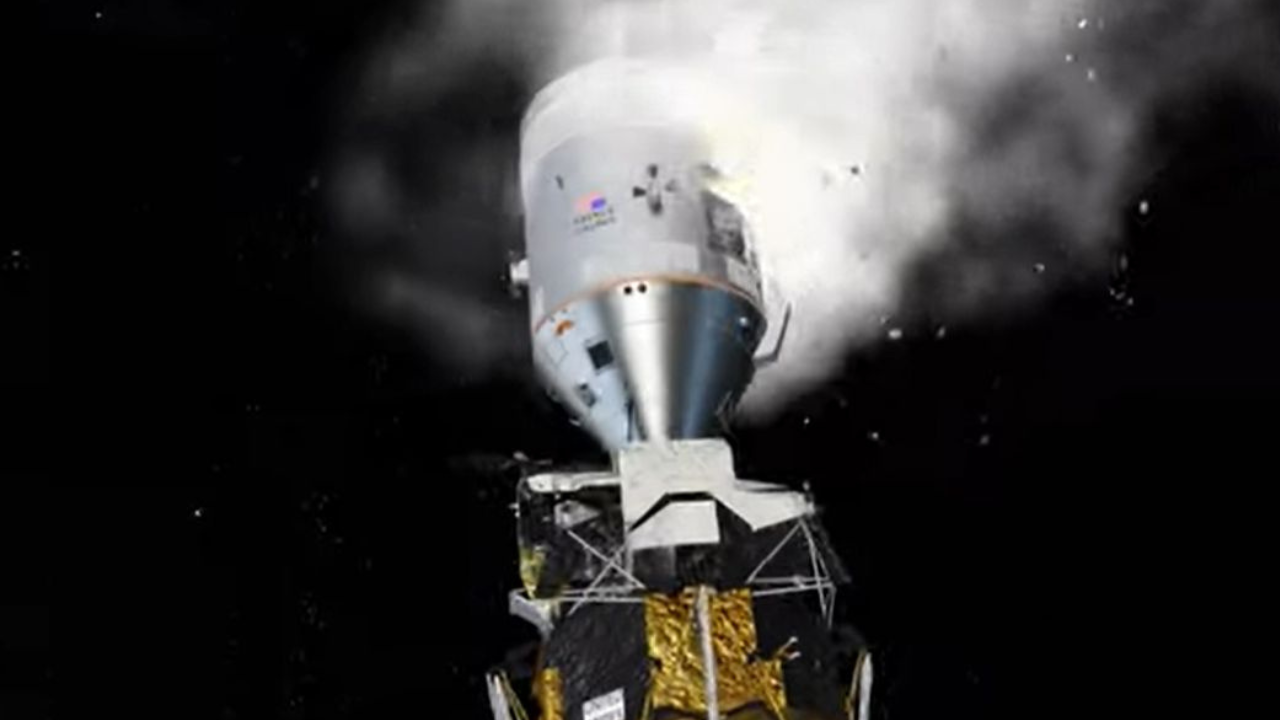
On 13 April 1970, an oxygen tank in the Service Module of Apollo 13 exploded. The explosion damaged the spacecraft's life support system. With only limited resources, the crew faced the real risk of running out of oxygen, power and water.
Significance
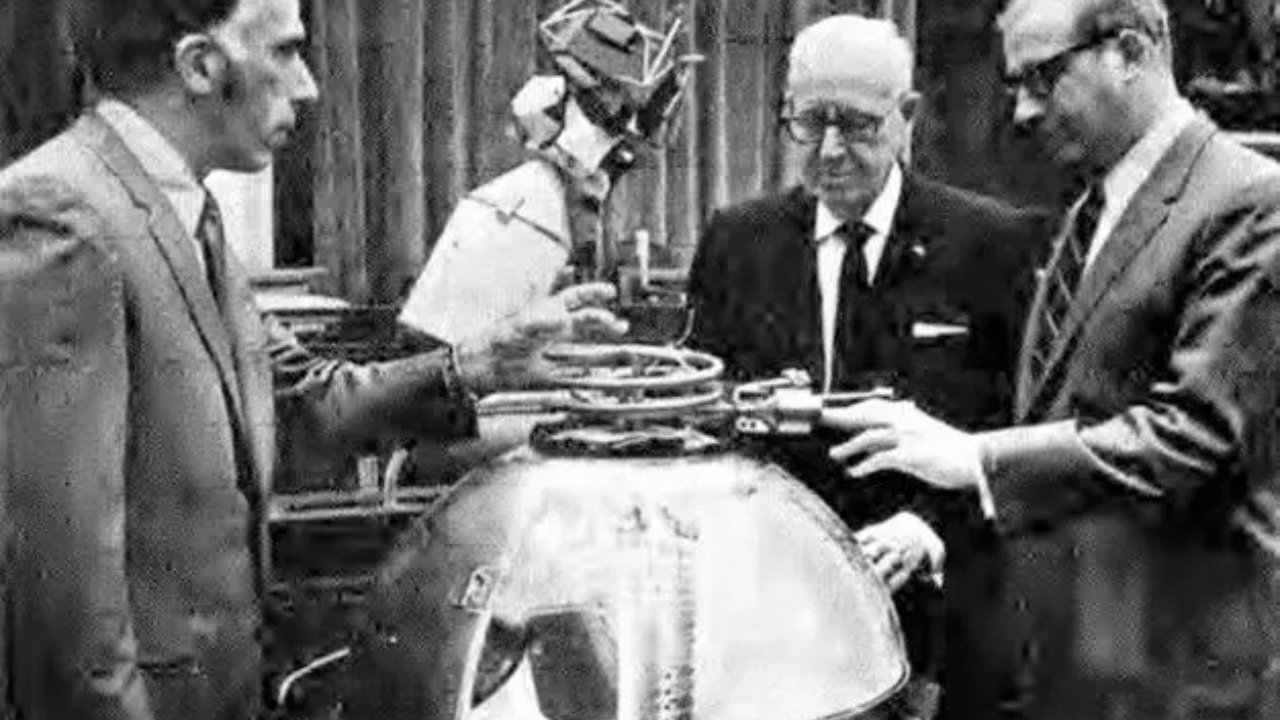
Apollo 13 did not achieve its lunar landing objective, but it became one of the most studied and admired missions in scientific exploration. It demonstrated extraordinary problem-solving, engineering skill and teamwork under extreme pressure.

Crew Adapts Quickly
Astronauts improvise and follow
NASA;s guidance to conserve vital resources.
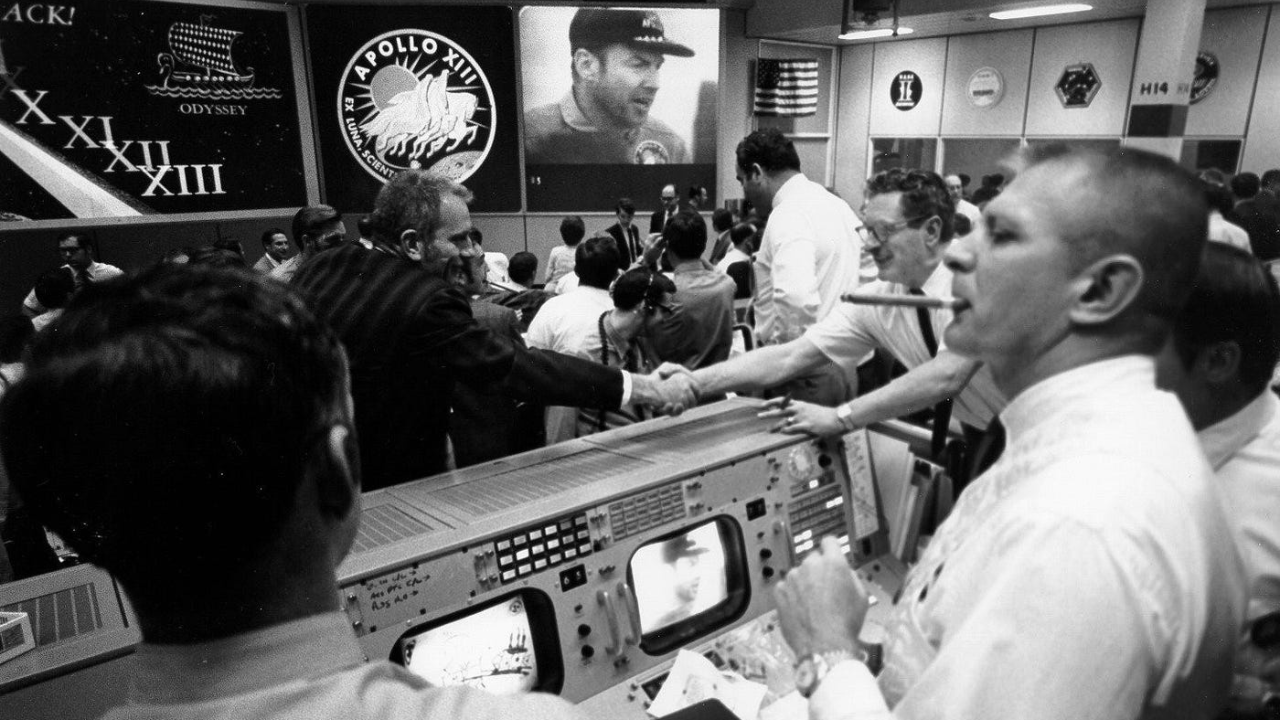
Mission Control's Help
NASA's ground terms work
tirelessly to support the crew and solve the crisis.
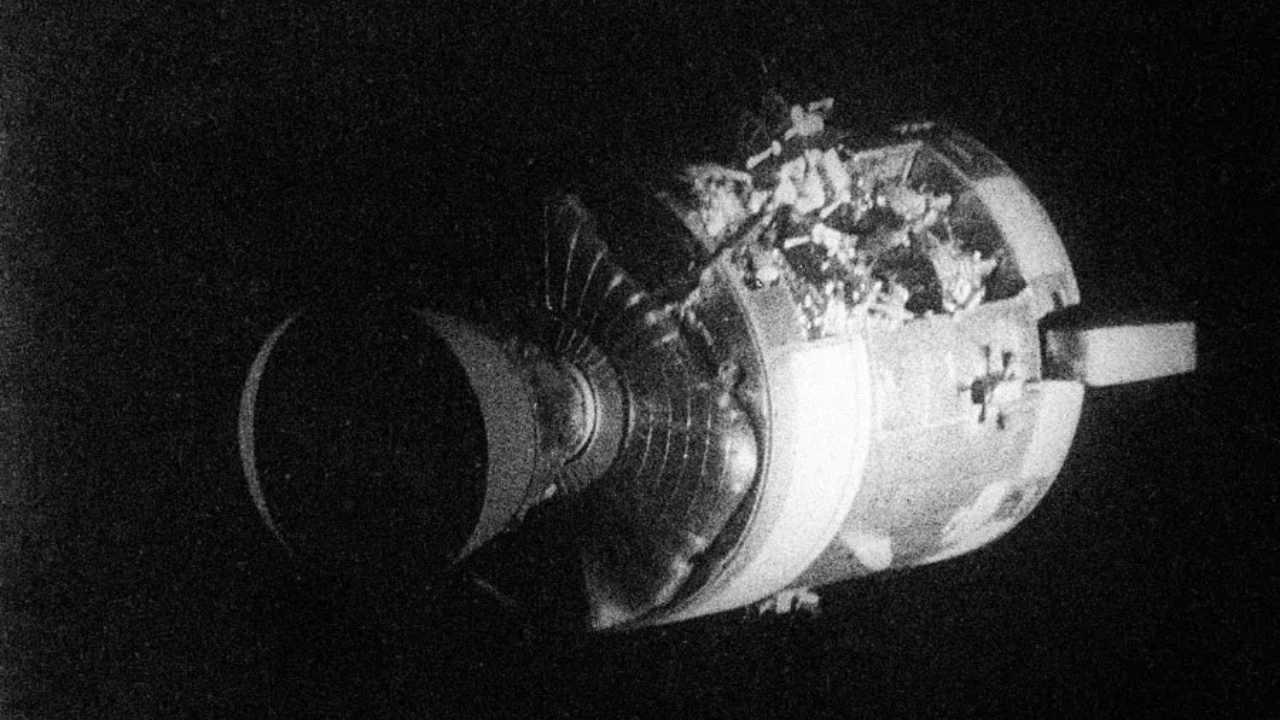
Clever Solutions
The crew successfully shut down non-essential systems and adapted the spacecraft for survival.
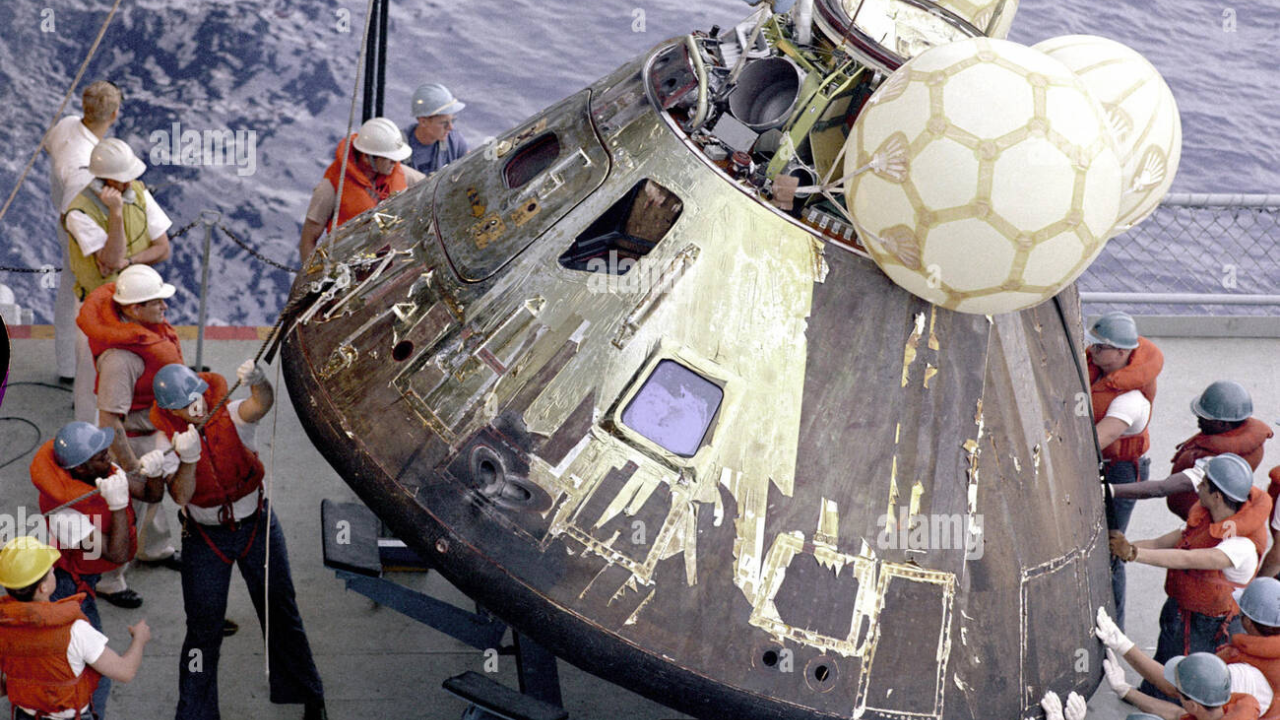
Safe Return
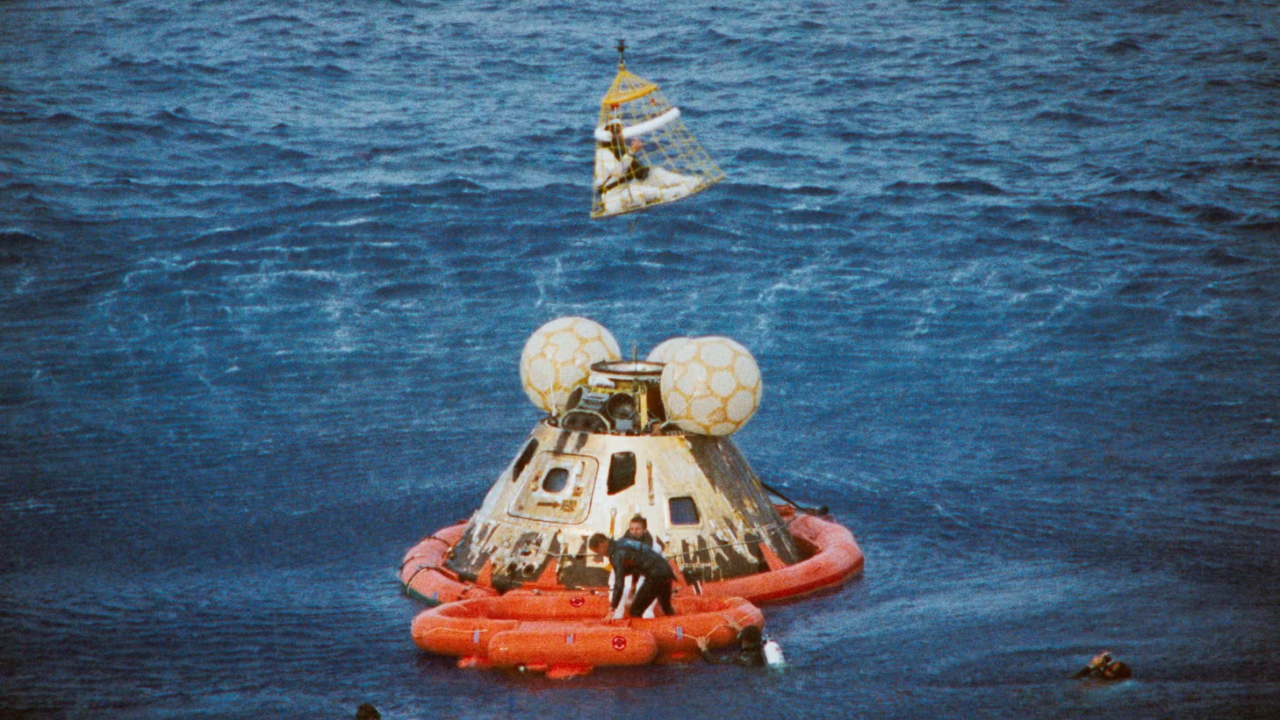
On 17 April 1970, Apollo 13 landed safely in the Pacific Ocean and the crew was recovered by the U.S. Navy.

Apollo 13
Apollo 13 remains a powerful example of human ingenuity and teamwork. It is widely studied in aerospace engineering, risk management and problem-solving courses. The mission's challenges led to improved spacecraft systems, better emergency protocols and stronger safety measures for future spaceflights.
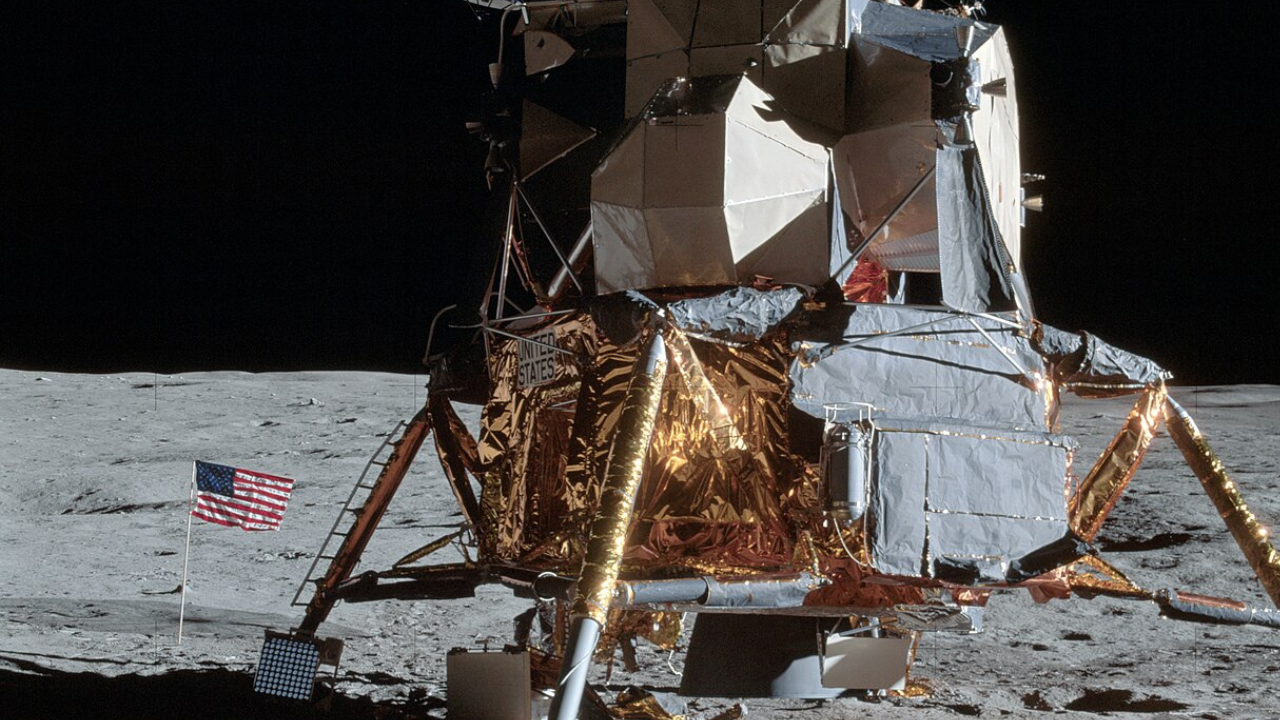
Apollo 13 Lunar Module
Oxygen Tank Explosion
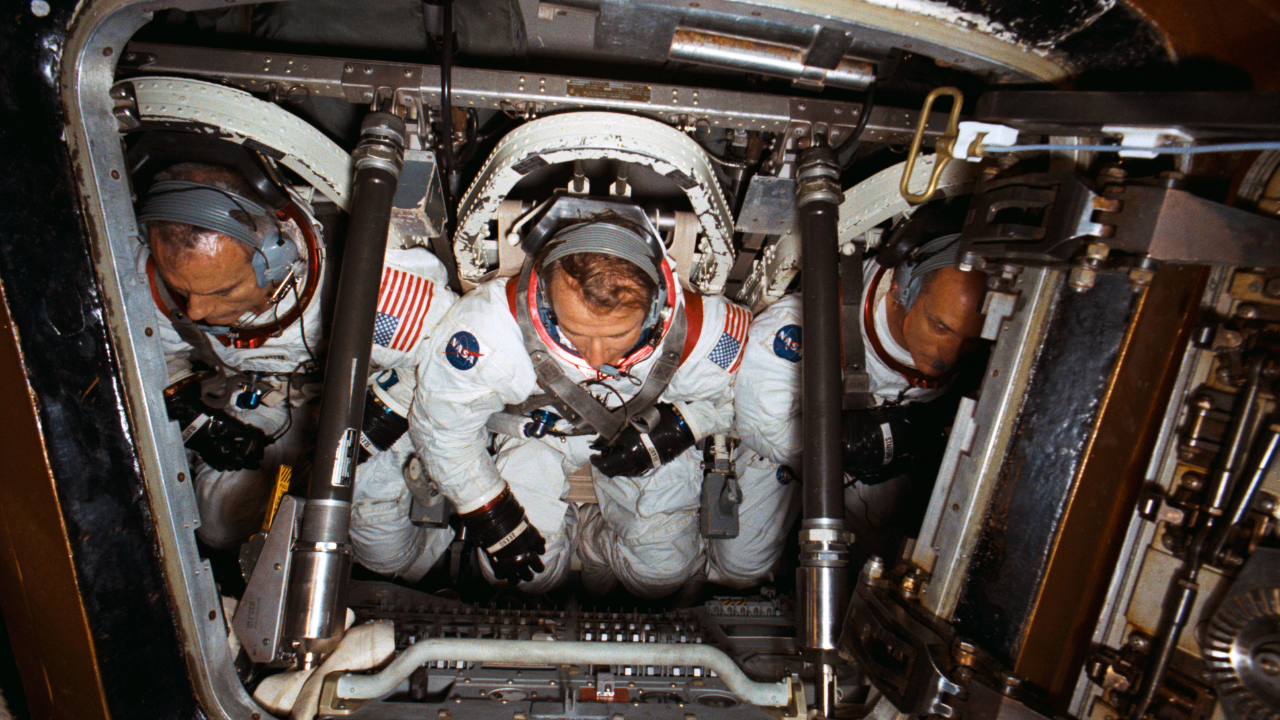
Crew Inside Command Module

Earthrise -
Apollo 13